

An Easter Message
It was the worst Easter Sunday ever. People arrived to service dressed in pastels, wearing those big soupy grins. They were happy people. No. Worse than that. They were families. After Daddy died, we were half a family.
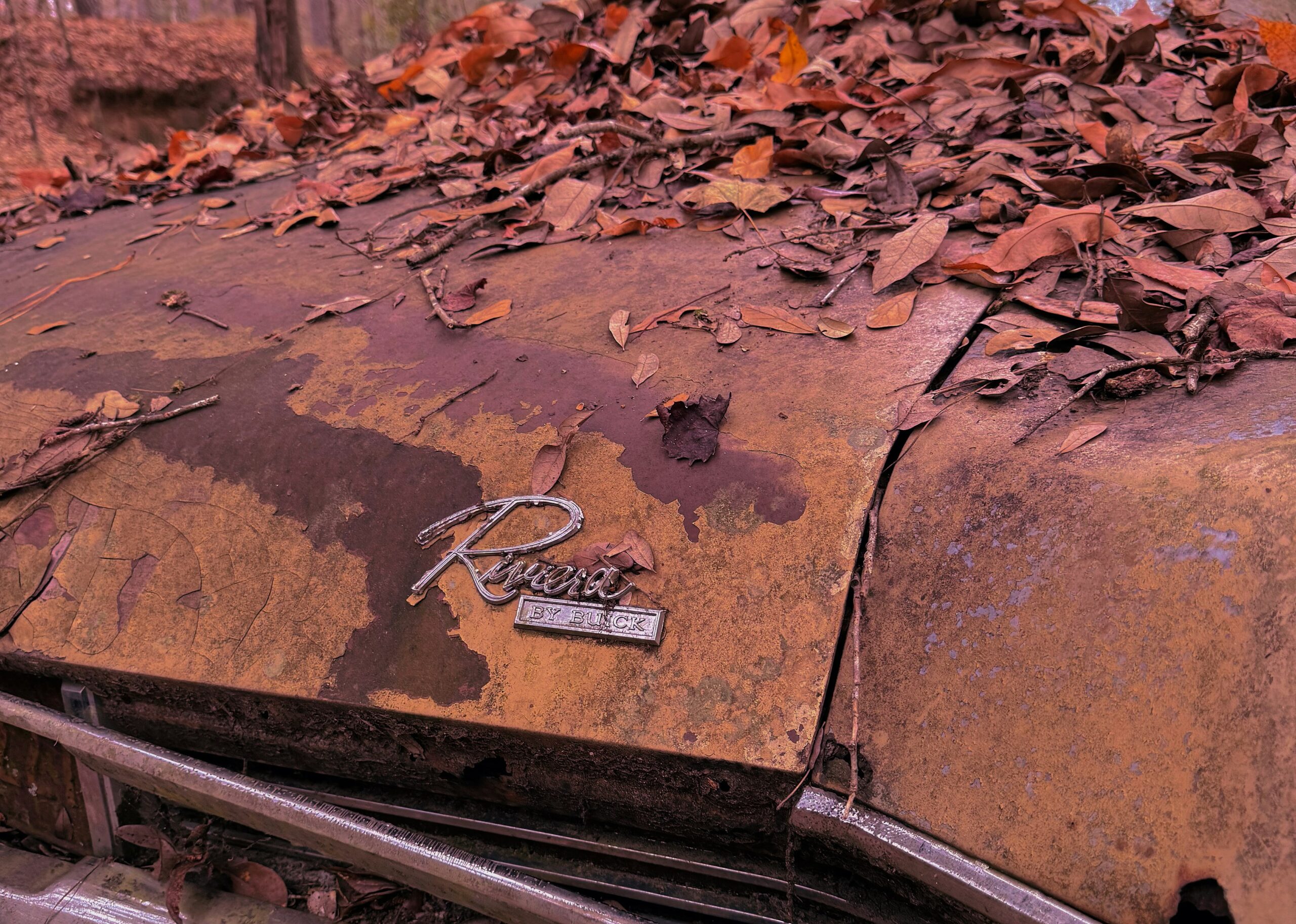
In the woods behind the church sat a rusted Buick with busted windows. It was the perfect place for sitting. Or crying.
On Easter Sunday, I did both. While cheerful folks sat in the chapel, I hiked through the brush, plodding through the creek, toward the Buick. I climbed onto the roof. I loosened my green tie, rolled it into a tight ball, then flung it as far as I could.
I hated that thing. It was my father’s. The same necktie I’d worn to his funeral only six months earlier. It still smelled like him, which made me sick to my stomach. And then I started sobbing.
I was interrupted by footsteps in the brush. It was Phillip, who was a few years older than me. He climbed up beside me. “You didn’t want to hear the sermon today?” he asked.
I didn’t answer, because I didn’t give a cuss about sermons. Six months after your daddy dies, the last thing you want is to hear some fella yapping about the joy of the Lord.
“You play first base, don’t you?” Phillip asked. “Hell, I ain’t no good at baseball.” He removed his necktie and tucked it in his pocket. “Don’t you hate ties?”
Silence.
“You know,” Phillip went on. “My daddy left my mom and me before I was born. Shoot, my buddy Billy, he don’t even know if he HAS a daddy. And Roger Allen, his daddy died when he was just a toddler. Lots of us ain’t got daddies, you know.”
I said nothing.
“I suppose,” he said. “What I’m trying to say is, you’re part of our club now.”
He nodded toward two boys in the distance. It was Billy and Roger Allen, leaning against an oak tree. None of them had neckties on.
More silence.
“Dammit,” said Phillip. “I don’t know squat about how you’re feeling. But I know nobody’s alone in this world. Not even you.”
And then he let me ruin his sport-jacket with my snot.
I understand Phillip can preach the paint off a fire-plug, nowadays.
But I liked his first sermon the best.***
The story of Easter is knowing that we are never alone. Jesus rose from the dead so that we would never have to be alone again. We serve a risen Savior who in the midst of grief and despair and loneliness stands with us. We serve a risen Savior who walks with us and talks with us. We serve a risen Savior who conquered death. Thanks be to God! Let us rejoice!
*** Story written by Sean Dietrich
~Michelle